Leica -
Cartier-Bresson and Doisneau
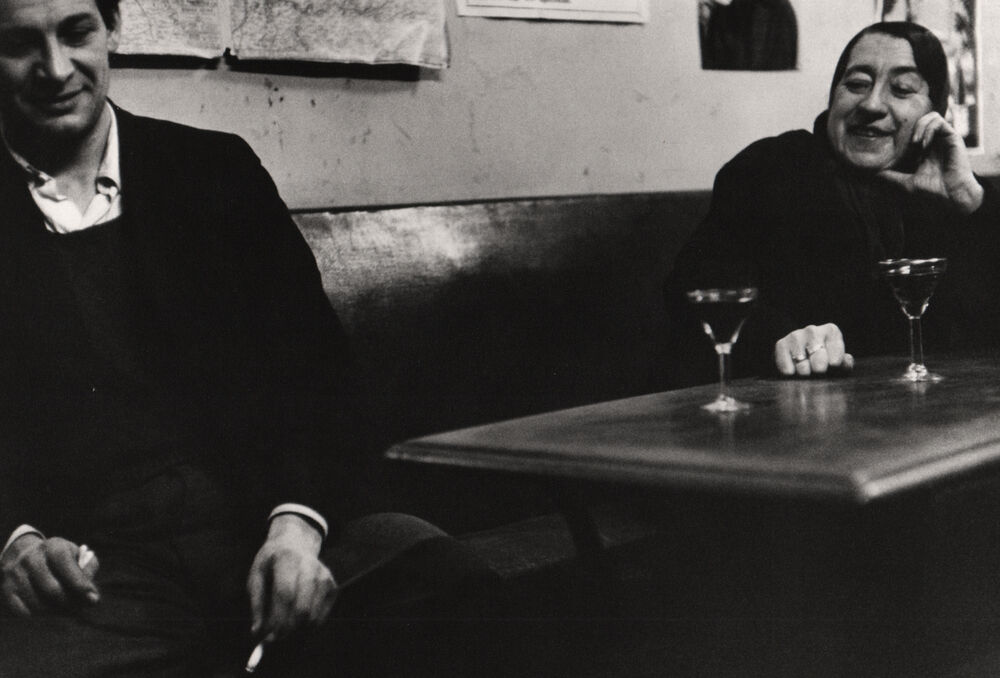
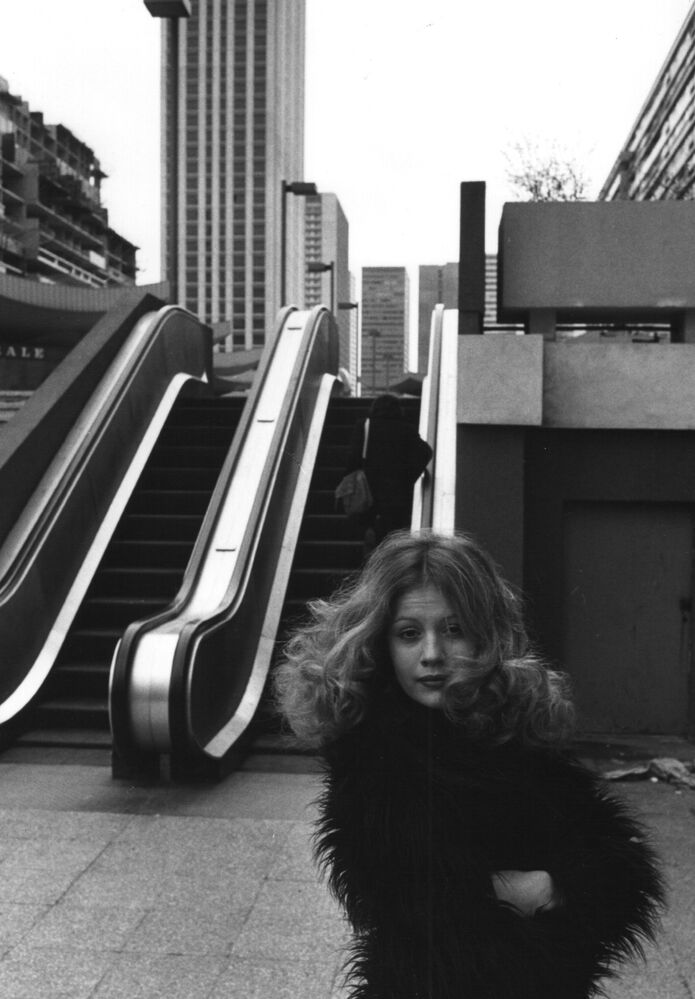
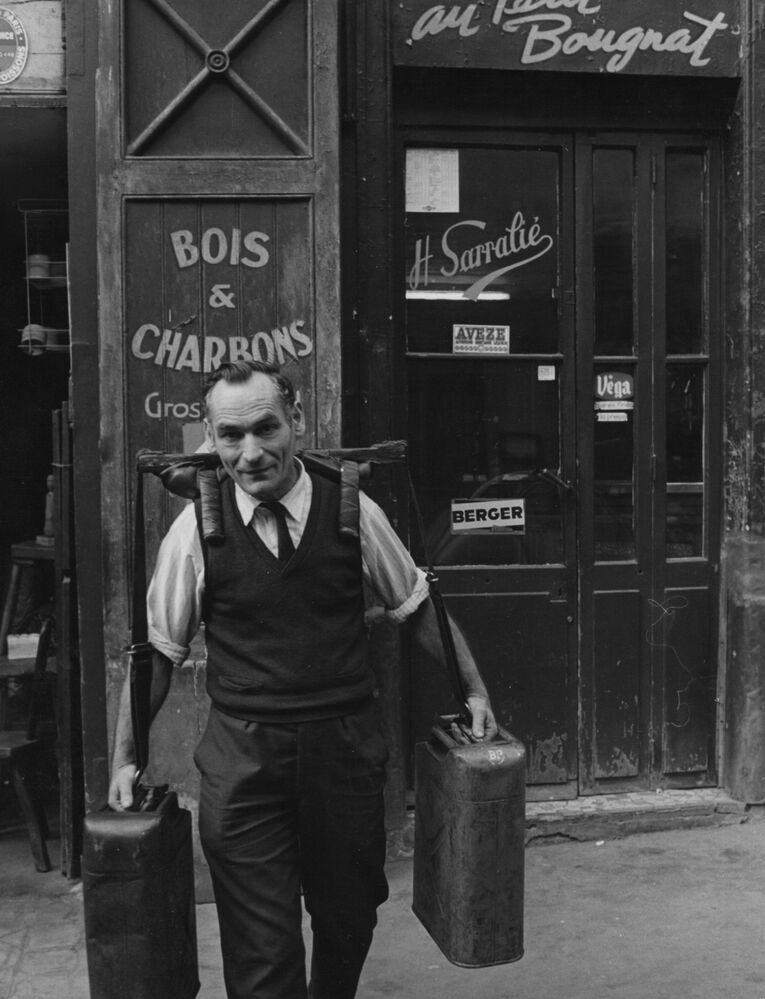
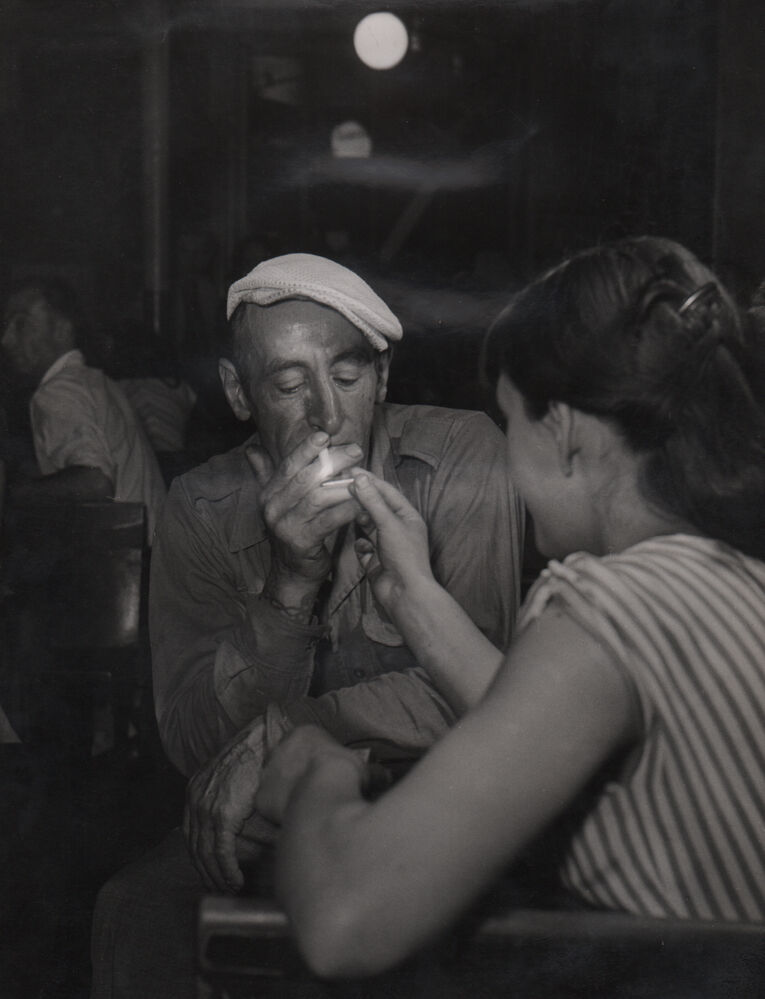
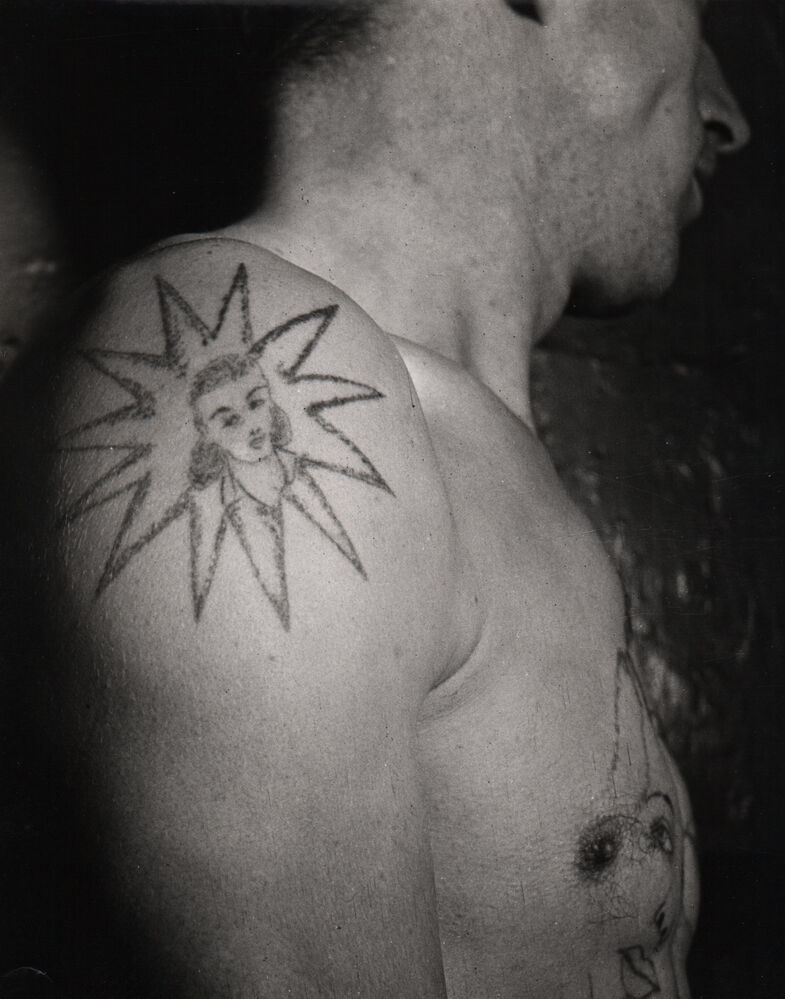
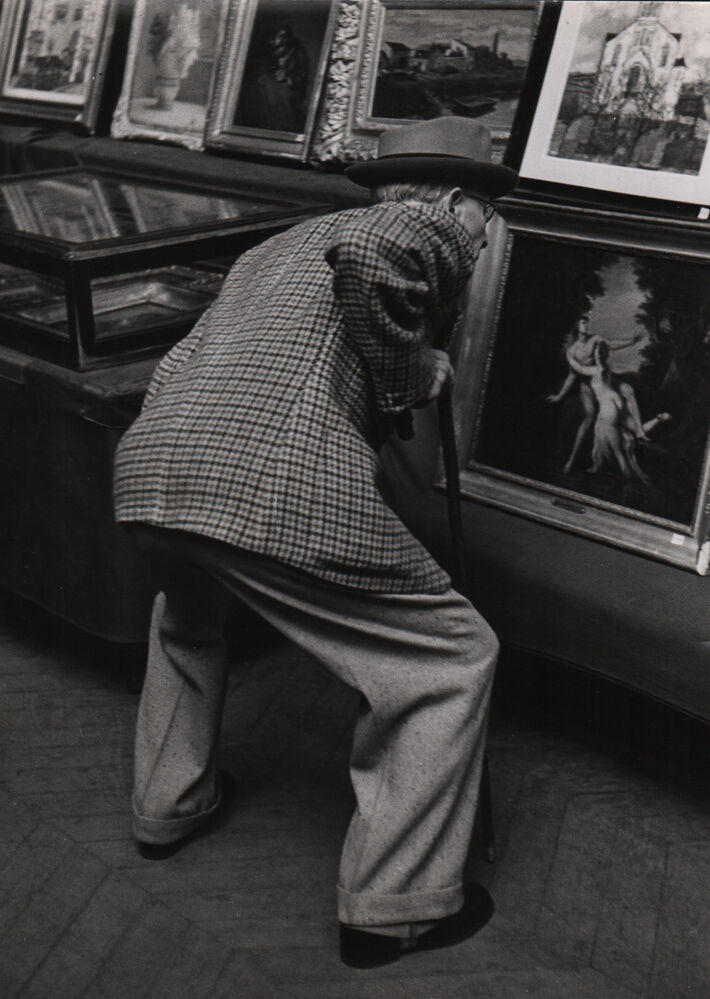
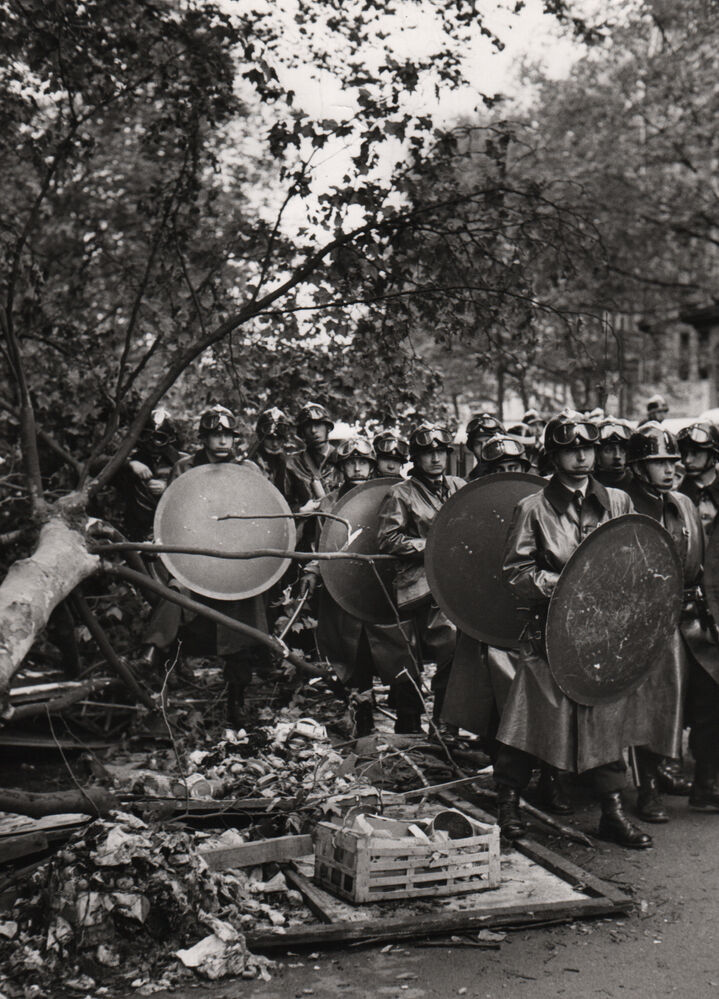
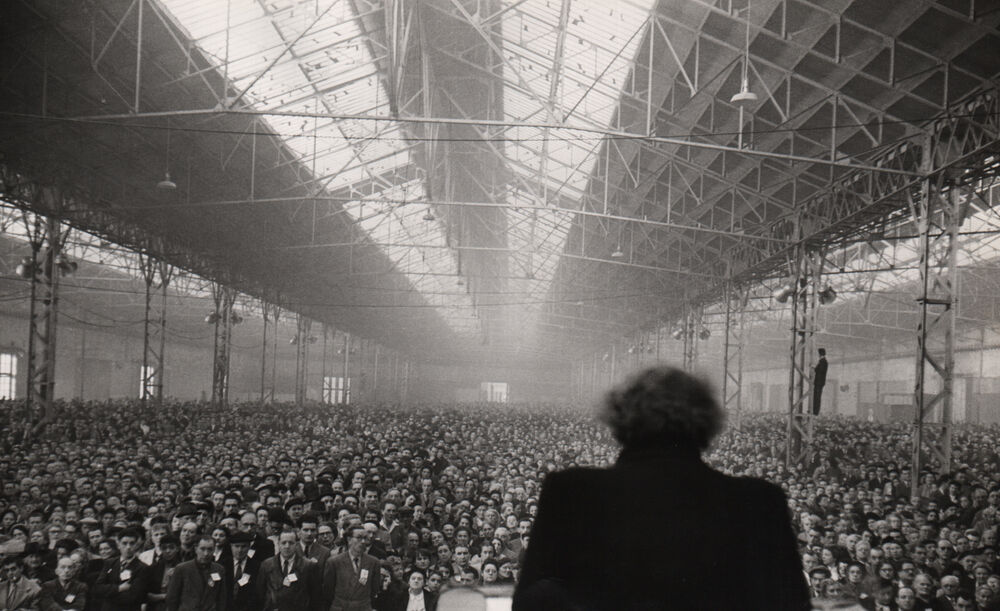
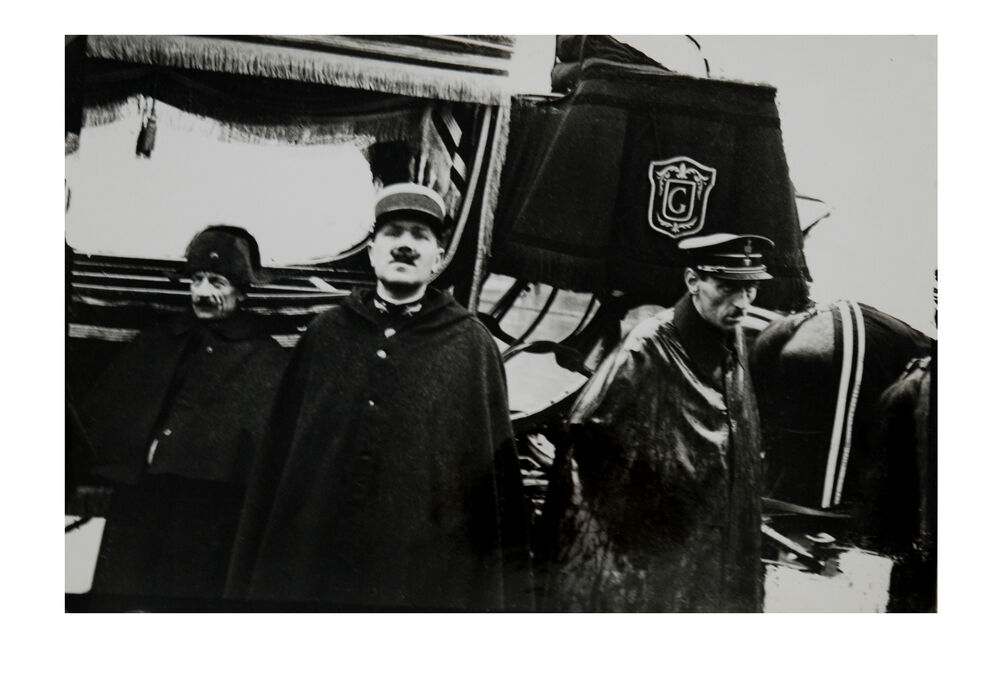
The introduction of the Leica camera in 1925 represented a paradigm shift—not only technologically, but in the very way the world could be perceived and documented. The compact 35mm format replaced the staged, static reality with something radically new: the ability to document the world as it actually unfolded, unstaged and up close to people.
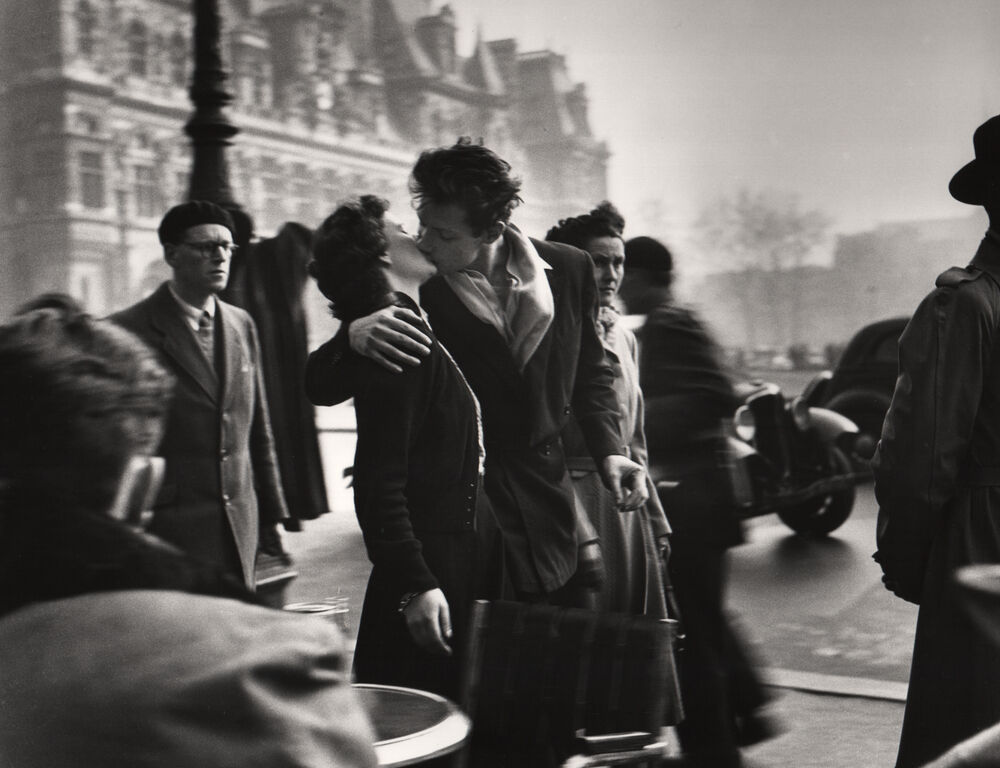
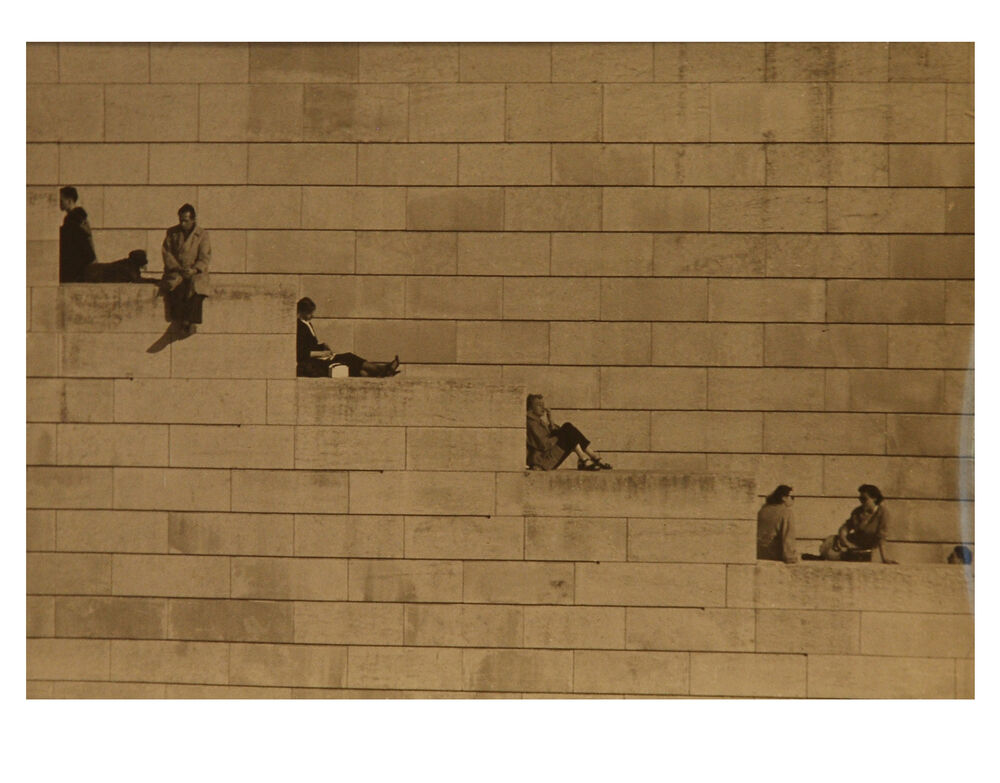
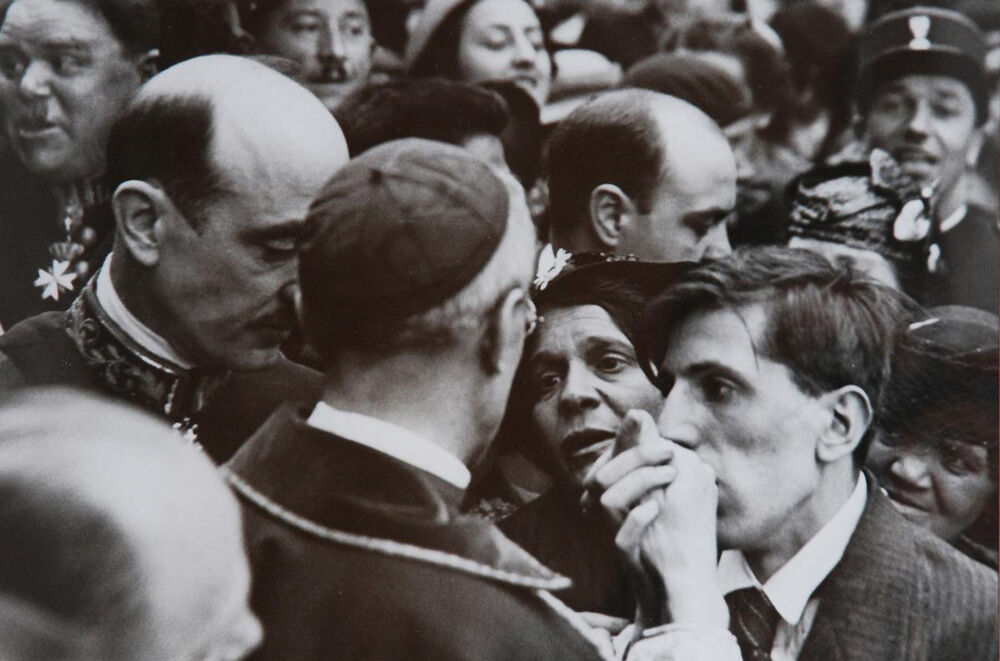
No one exploited this more consistently than Henri Cartier-Bresson (1908–2004). His concept of the decisive moment —when form, light, and content converge in a single precise expression—became a methodological cornerstone of modern photojournalism. His work extended far beyond the aesthetic: during the war, he organized photographers within the French Resistance, and in 1947 he had a solo exhibition at the Museum of Modern Art in New York—that same year, he was one of the founders of the Magnum photo agency.
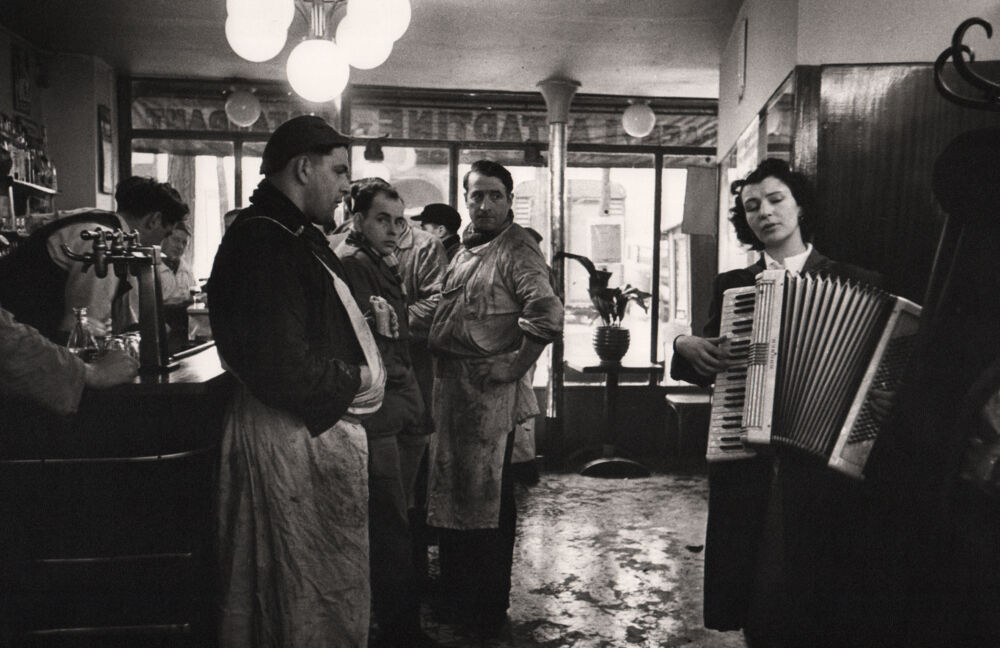
Robert Doisneau (1912–1994) worked within the same tradition, but with a particular eye for the social structures of postwar Paris—analytical rather than romanticizing. Both represent a photographic practice in which the Leica was not a neutral tool, but a prerequisite for the very act of seeing.